
Understanding Installing Quartz Countertops: A Friendly Guide

If you’re thinking about upgrading your kitchen or bathroom, quartz countertops are a fantastic choice. They combine beauty, durability, and low maintenance, making them a favorite for many. But before you dive in, it’s helpful to understand the ins and outs of installing quartz countertops. I’m here to walk you through everything you need to know, from preparation to the final touches. Let’s get started!
What You Need to Know About Installing Quartz Countertops
Installing quartz countertops is a rewarding project, but it’s not something you want to rush. Quartz is a heavy and delicate material that requires careful handling. The process usually starts with precise measurements of your space. This ensures the slabs fit perfectly without gaps or awkward cuts.
Once measurements are done, the quartz slabs are cut to size, often in a workshop with specialized tools. This step is crucial because quartz is engineered stone, and cutting it requires diamond blades to avoid chipping. After cutting, the edges are polished to give your countertop a smooth, finished look.
When it comes to the actual installation, the slabs are carefully placed on top of your cabinets. They need to be level and securely fastened. Seams, if any, are joined with a color-matched resin that blends seamlessly with the quartz. This attention to detail makes quartz countertops look like one solid piece.
If you want to learn more about the detailed quartz countertop installation process, there are plenty of resources that break down each step with photos and tips.

Tips for Installing Quartz Countertops Smoothly
Here are some practical tips to keep in mind if you’re planning to install quartz countertops:
Prepare your space well: Clear out cabinets and appliances. Make sure the cabinets are sturdy and level.
Hire professionals for cutting: Quartz cutting requires special tools and skills. Avoid DIY cutting to prevent damage.
Handle with care: Quartz slabs are heavy and can crack if dropped or mishandled.
Check for plumbing and electrical: Make sure all plumbing and electrical work is done before installation to avoid rework.
Allow time for acclimation: Let the quartz slabs sit in your home for a day or two before installation. This helps them adjust to the room temperature and humidity.
By following these tips, you’ll avoid common pitfalls and enjoy a smooth installation experience.
How much would 20 ft of quartz countertop cost?
Cost is always a big question when it comes to home improvements. For 20 feet of quartz countertop, prices can vary depending on several factors:
Quality and brand of quartz: Premium quartz tends to cost more.
Thickness of the slab: Standard thickness is 2 cm or 3 cm, with 3 cm being pricier.
Edge style: Simple edges cost less than intricate designs.
Installation fees: Labor costs vary by region and installer experience.
Additional features: Cutouts for sinks, backsplashes, and seams add to the price.
On average, you might expect to pay between $2,000 and $5,000 for 20 feet of quartz countertop, including installation. It’s a good idea to get multiple quotes and ask for detailed estimates to understand what’s included.
Remember, investing in quality quartz and professional installation pays off in durability and long-term satisfaction.

Common Challenges During Quartz Countertop Installation
Even with careful planning, some challenges can pop up during installation. Here are a few to watch out for:
Uneven cabinets: If your cabinets aren’t level, the quartz slabs won’t sit properly. This can cause cracks or uneven surfaces.
Heavy lifting: Quartz slabs are heavy and awkward to move. It’s important to have enough help or use lifting equipment.
Seam visibility: While installers try to hide seams, sometimes they can be noticeable if slabs don’t match perfectly.
Cutout precision: Sink and appliance cutouts must be exact. Mistakes here can be costly.
Delays: Quartz slabs are often custom ordered and can take weeks to arrive.
Being aware of these challenges helps you prepare better and communicate clearly with your installer.
Caring for Your Quartz Countertops After Installation
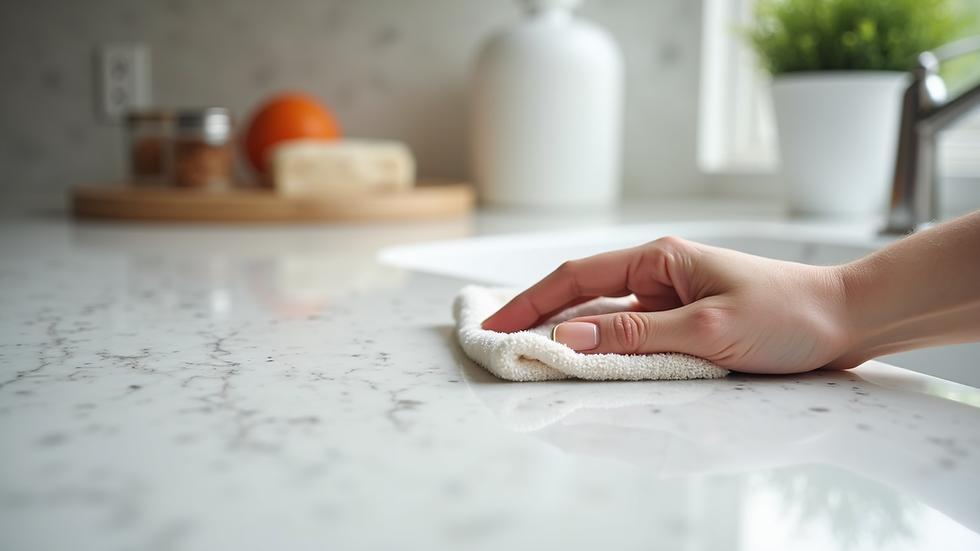
Once your quartz countertops are installed, you’ll want to keep them looking beautiful for years. The good news is quartz is low maintenance, but a little care goes a long way:
Clean daily with mild soap and water: Avoid harsh chemicals or abrasive cleaners.
Use cutting boards: Quartz is scratch-resistant but not scratch-proof.
Wipe spills quickly: Especially acidic substances like lemon juice or wine.
Avoid placing hot pots directly on the surface: Use trivets or hot pads.
Seal edges if recommended: Some installers suggest sealing edges to prevent moisture penetration.
With these simple habits, your quartz countertops will stay stunning and functional.
Ready to Transform Your Space with Quartz?
Installing quartz countertops is a smart investment that adds style and value to your home. By understanding the process, costs, and care involved, you can make confident decisions and enjoy your new surfaces for many years.
If you’re ready to explore options or need expert advice, don’t hesitate to reach out to suppliers who specialize in premium quartz. They can guide you through selecting the perfect slab and ensure your installation goes smoothly.
Remember, a beautiful kitchen or bathroom starts with the right countertop. Quartz offers the perfect blend of elegance and durability - and now you know exactly what it takes to get it installed right!
Happy remodeling!


Comments